Skip to Content
wernervanzyl.com
  • Home
  • Method
    • Field Guides
    • My Philosophy (why)
    • Frameworks
  • Speaking
  • Ideas
  • About
  • Contact
  • +27 74 911 0190
  • Sign in
  • Contact Us
wernervanzyl.com
      • Home
      • Method
        • Field Guides
        • My Philosophy (why)
        • Frameworks
      • Speaking
      • Ideas
      • About
      • Contact
    • +27 74 911 0190
    • Sign in
    • Contact Us

    Ideas

    Connecting the DotsThe most interesting insights live between disciplines.Questions I ExploreHuman Behaviour & NeuroscienceWhy do people do what they do?Some Questions I ExploreSystems ThinkingWhy do solutions become problems?Questions I ExploreComplexityWhy is the world so difficult to predict?Questions I ExploreNeuroscienceHow does the brain create our experience of reality?Questions I ExploreLeadership & OrganisationsWhy do some organisations flourish while others struggle?Questions I Explore

    This becomes your living knowledge base.

    Articles such as:

    • The Cobra Effect
    • Affordances
    • Feedback Loops
    • Behavioural Design
    • Complexity
    • Systems Thinking

    Essentially, this is your blog or journal.


    Most of us spend our lives surrounded by patterns we rarely notice.

    We see organisations struggle with the same challenges, people repeat the same behaviours, technologies create unexpected consequences, and solutions gradually become new problems. Yet beneath these seemingly unrelated events lie deeper principles that shape how individuals, organisations and societies evolve.

    This collection of ideas explores those hidden patterns through the lenses of psychology, neuroscience, systems thinking, complexity, leadership and the natural world. My goal is not simply to provide answers, but to uncover connections, challenge assumptions and offer new ways of understanding the world around us.

    Because when we see the pattern, we begin to see the possibility for change.

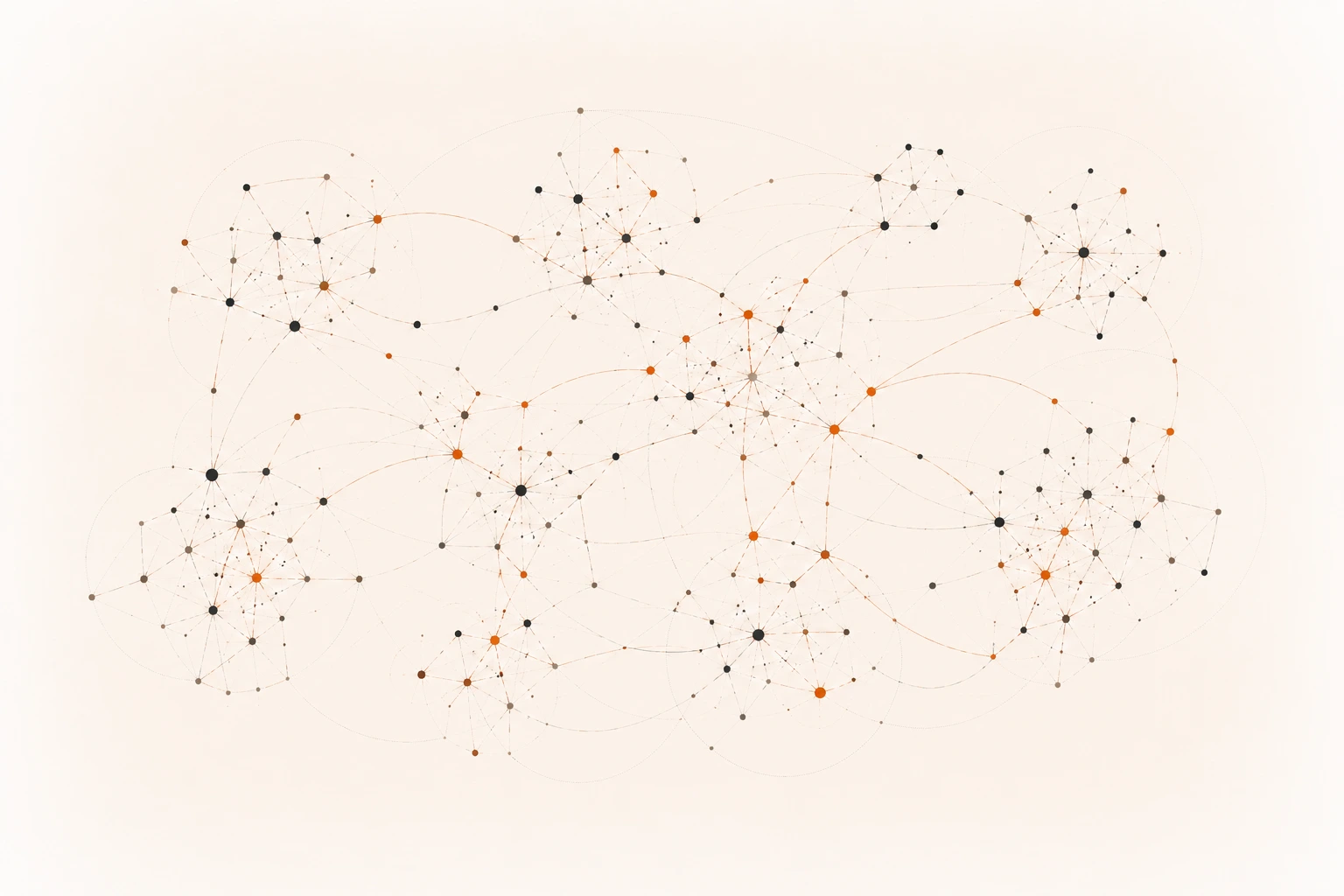
    Connecting the Dots

    The most interesting insights live between disciplines.

    The world does not organise itself into neat academic departments.

    The same principles that shape ant colonies can help explain organisations. The same feedback loops found in ecosystems can be found in businesses and relationships. The same adaptive processes that shape evolution can help explain innovation and change.

    My greatest fascination lies in discovering these hidden connections and using them to see familiar problems from entirely new perspectives.

    Because breakthrough insights often emerge when ideas from one field are applied to another.


    Questions I Explore
    • What can biology teach us about leadership?

    • What can ant colonies teach us about organisations?

    • What can music teach us about complexity?

    • What can evolution teach us about innovation?

    • What hidden patterns connect seemingly unrelated fields?

    This is where curiosity becomes insight, and where understanding how the world works becomes most interesting.

    Discover

    Human Behaviour & Neuroscience

    Why do people do what they do?

    Every day, people make decisions they later regret, repeat habits they wish they could break, and find themselves stuck in patterns they don't fully understand.

    Human behaviour is rarely random. It emerges from a complex interaction between biology, experience, emotion, incentives and environment. The same behaviours that help us adapt in one situation can become barriers in another.

    By exploring psychology, evolution and human nature, we can begin to understand not only why other people behave the way they do, but why we do too.

    Some Questions I Explore

    • Why do intelligent people repeat the same mistakes?

    • Why is change often so difficult?

    • How do habits shape our lives?

    • What drives motivation, resilience and performance?

    • Why do people see the same situation differently?


    Systems Thinking

    Why do solutions become problems?

    Many of the challenges we face today began as attempts to solve yesterday's problems.

    Policies create bureaucracy. Metrics distort behaviour. Incentives produce unexpected outcomes. Short-term fixes create long-term complications.

    Systems thinking helps us look beyond individual events and understand the relationships, feedback loops and structures that drive behaviour over time.

    When we learn to see systems, we stop reacting to symptoms and start understanding causes.


    Questions I Explore

    • Why do good intentions produce bad outcomes?

    • How do incentives shape behaviour?

    • Why do organisations create recurring problems?

    • What are the hidden consequences of our decisions?

    • How can we design better systems?


    Complexity

    Why is the world so difficult to predict?

    Some systems behave like machines. Others behave like ecosystems.

    A machine can often be understood by examining its parts. Complex systems cannot. They evolve, adapt and produce outcomes that are often impossible to predict from the individual components alone.

    Businesses, economies, societies, relationships and even our own minds are complex systems.

    Understanding complexity helps us make better decisions in a world where certainty is often an illusion.


    Questions I Explore
    • Why do small actions sometimes create massive consequences?

    • Why do some systems thrive while others collapse?

    • What is emergence and why does it matter?

    • Why is prediction often so difficult?

    • How can we navigate uncertainty more effectively?


    Neuroscience

    How does the brain create our experience of reality?

    Everything we experience—thoughts, emotions, memories, beliefs and decisions—is filtered through the brain.

    Yet the brain is not simply recording reality. It is actively constructing it.

    Neuroscience offers fascinating insights into learning, perception, decision-making and human behaviour. It reveals how our brains adapt to experience and why we often think, feel and act in ways we don't fully understand.

    The better we understand the brain, the better we understand ourselves.


    Questions I Explore
    • How does the brain construct reality?

    • Why do emotions influence decision-making?

    • How does learning change the brain?

    • What is the relationship between thought and behaviour?

    • How does the nervous system shape our experience?


    Leadership & Organisations

    Why do some organisations flourish while others struggle?

    Organisations are not machines. They are living systems made up of people, relationships, incentives, cultures and shared stories.

    The challenges leaders face are rarely technical. They are often human.

    By understanding behaviour, complexity and systems, leaders can move beyond simplistic solutions and create environments where people and organisations can adapt, learn and thrive.


    Questions I Explore
    • Why do good organisations fail?

    • How do cultures emerge?

    • What creates trust and engagement?

    • Why do incentives sometimes backfire?

    • How can leaders navigate complexity?

    Connect
    • Home
    • •
    • About us
    • •
    • Products
    • •
    • Consulting Agreement
    • •
    • Privacy Policy
    Have an idea for an event?

    Let's explore what Tangible Thinking could bring to your audience.


    Book a Discovery Conversation →

    Let’s connect the dots

    werner@wernervanzyl.com

    Copyright  2026 © Werner van Zyl 
    Powered by Odoo - Create a free website